
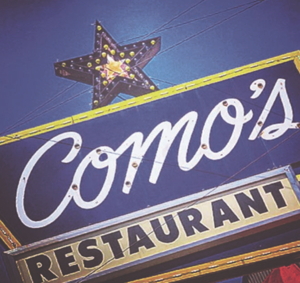
By: Jessica L. Misch, Former Como’s Patron
FERNDALE, MICHIGAN COMPRISES PERHAPS THE LARGEST CONCENTRATION of gay, lesbian, bisexual and transgender community members in the state of Michigan. And yet, in 1961, it was a young, heterosexual single mother who had the gumption to scratch out a safe space in Ferndale for Michigan’s social undesirables to dine over pizza, drink spirits and find love in the company of friends: Como’s Restaurant.
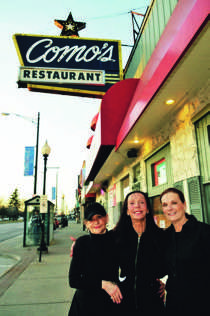
In the early days of the gay right’s movement, Como’s stood in stark contrast to other gay spaces in Michigan. Como’s wasn’t a hole-in-the-wall bar that required a secret knock on an obscure door in shadow-filled alleys. Gay patrons brought an extra pair of shoes to those cryptic locations — running shoes — in the event of a police raid or a bomb thrown. No, Como’s was different. The large, outdoor patio and spacious indoor setting exuded an ambiance of safety, even normality. GLBT patrons weren’t considered sinners or diseased lepers at Como’s. Patrons were out in the open on the corner of 9 Mile and Woodward, protected by a bright red canopy, while fresh air flowed through multiple entrances.
Beyond the inclusiveness, open layout and hot plates of Italian food, Como’s was a family business. However, most people knew there was a strong matriarch orchestrating things. This strong and focused woman was the engine behind Como’s life, growth and stability. She and her multi-service gay bar were the community saviors when there were few alternatives, when society wanted to erase people who didn’t conform to heterosexual gender norms.
Being an entrepreneur is challenging. Being a young-single woman with a child, while building a gay bar in bigot Michigan during the 1960s can only be described as monumental. Como’s stood the test of time in socially unfavorable environments. Decade after decade, Como’s helped give birth to an LGBTQ service industry, carving out paths, streets and sidewalks with an overflowing traffic of patrons for the trendy bars and restaurants bustling in Ferndale today.
Time passed. The landscape changed. Music drummed out a new rhythm. Como’s, like our very own grandmothers, aged; her energy slowed. And, still, the younger generation demanded more. Como’s struggled to keep the pulse, much like our own frail and beloved grandmothers. When our grandparents lose their ability to remain independent and are unable to meet the demands of society, they become frustrated, perhaps even cantankerous. But we should never abandon or forget those who have cared for us for so long when they are unable to carry on.
COMO’S IS CLOSED. THERE ARE NO SIZZLING PIZZAS BEING PULLED from its once steaming ovens. But, regardless of its successor, the spirit of Como’s will forever imbue Michigan’s LGBTQ history. Walk by Como’s, and ready your cameras to appreciate the six decades of rich history, a business that broke obstinate homophobic molds in the state of Michigan with a proverbial sledgehammer.
The closing of Como’s presents a historic opportunity for the community of Ferndale to define its values. For me, as a child of Michigan who witnessed Como’s thrive in its younger years, I contemplate my duty to this aged pillar in Michigan’s LGBTQ history, an establishment that gave me reason to believe in my own value in the 1980s when society offered me few.
Thank you, Como’s. Your spirit lives on, dear friend
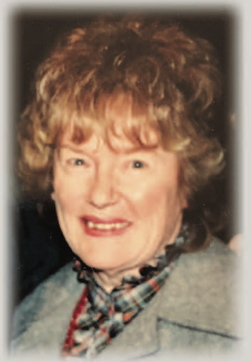
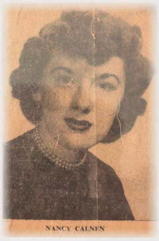 congressional staffer, secretary to a governor, and finally, the position from which she retired, Court Administrator at the 43rd District Court in Madison Heights. She also served as campaign treasurer for a number of political campaigns, and was a long-time member of the Ferndale Library Board.
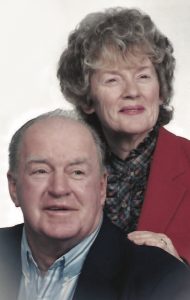 shares her son, Michael Lennon. As she aged, this impatience haunted her. Michael reports that if she called and asked you to do something that you couldn’t do immediately, she would simply attempt to do it herself. “In the last few years and on two separate occasions, this impatience resulted in a TV and then a window air conditioner falling on this woman in her late ’70s who didn’t weigh 100 pounds.”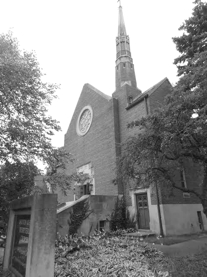
 be close to our grandchildren.” Towell described how she and partner Richard Christensen knew they’d be in the neighborhood for many years and immediately started renovating, creating their dream home. “We’ve put a lot into our house, invested a lot,” she said.
 about our property value?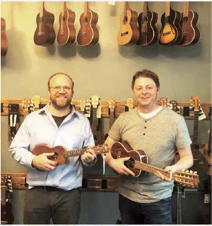
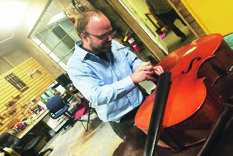 here – I found a passion for it and I never looked back. I started making instruments out of my house 11 years ago, while I was working there.”
 pairs and accessories was growing. Moving to a brick-and-mortar location was natural. And Ferndale was a perfect for them.
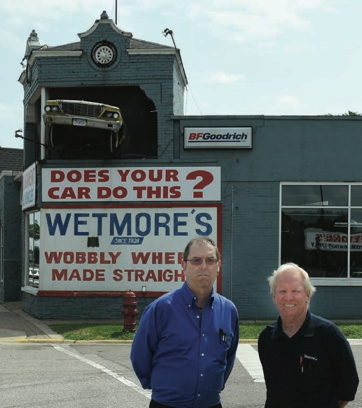
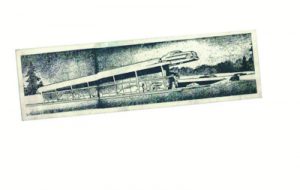 ncluded a car flying off the roof. The office area was built to Wright’s designs; however, the rest of the plans were discarded after disagreements between Wright and Wetmore.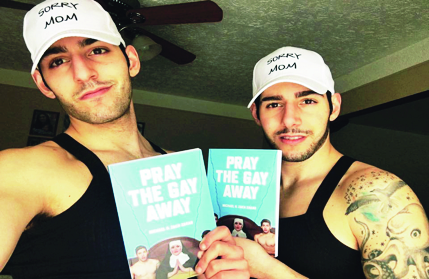
 mother and she threw holy water at us. I thought it was ‘interesting’ and, as two film students at the time, we wrote it on a sticky note to add it in a potential short film. Two weeks later, she tried to force feed us ‘holy grapes’ and you can say the book wrote itself. We had offers from publishing houses with horrible contracts, so we decided to self-publish to have more freedom in what we write and produce.
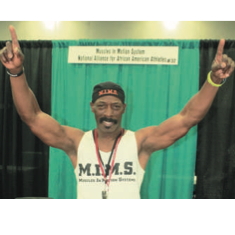
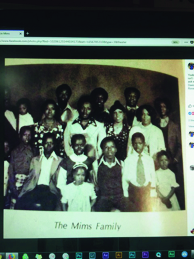 the ‘school of no return.’ But Mother Mims’ decency affected him, and he called Cooley High School instead. “When the Mumford principal made that call, everything changed. All I wanted was to graduate high school and please my mama. Had a year-and-a-half to get it together.” He kept going, thanks to Cooley Coach Ernest Thomas, who told him “Take everything you’ve got and put it on the field.”
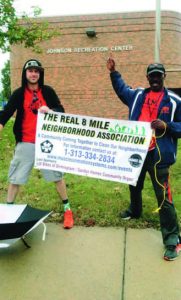 Valencia was supportive when Mims decided to start physical training. He liked working with kids in school. His marriage ended in 2012, and he returned to Los Angeles. California felt “so free, so good,” but his mom was worried. “What about the earthquakes?” And there was no one at home to cut the grass.
 Prev
Prev